Four-day intensive course
AI and Deep Learning
Four teaching days on neural networks: how one unit becomes a layer, how a network is trained, what convolution assumes about an image, what attention computes over text, and which controls belong between a model's output and an action that changes a record. Every worked example is small enough to check by hand, and each day has a laboratory notebook with its own dataset.
Course materials
How the four days fit together
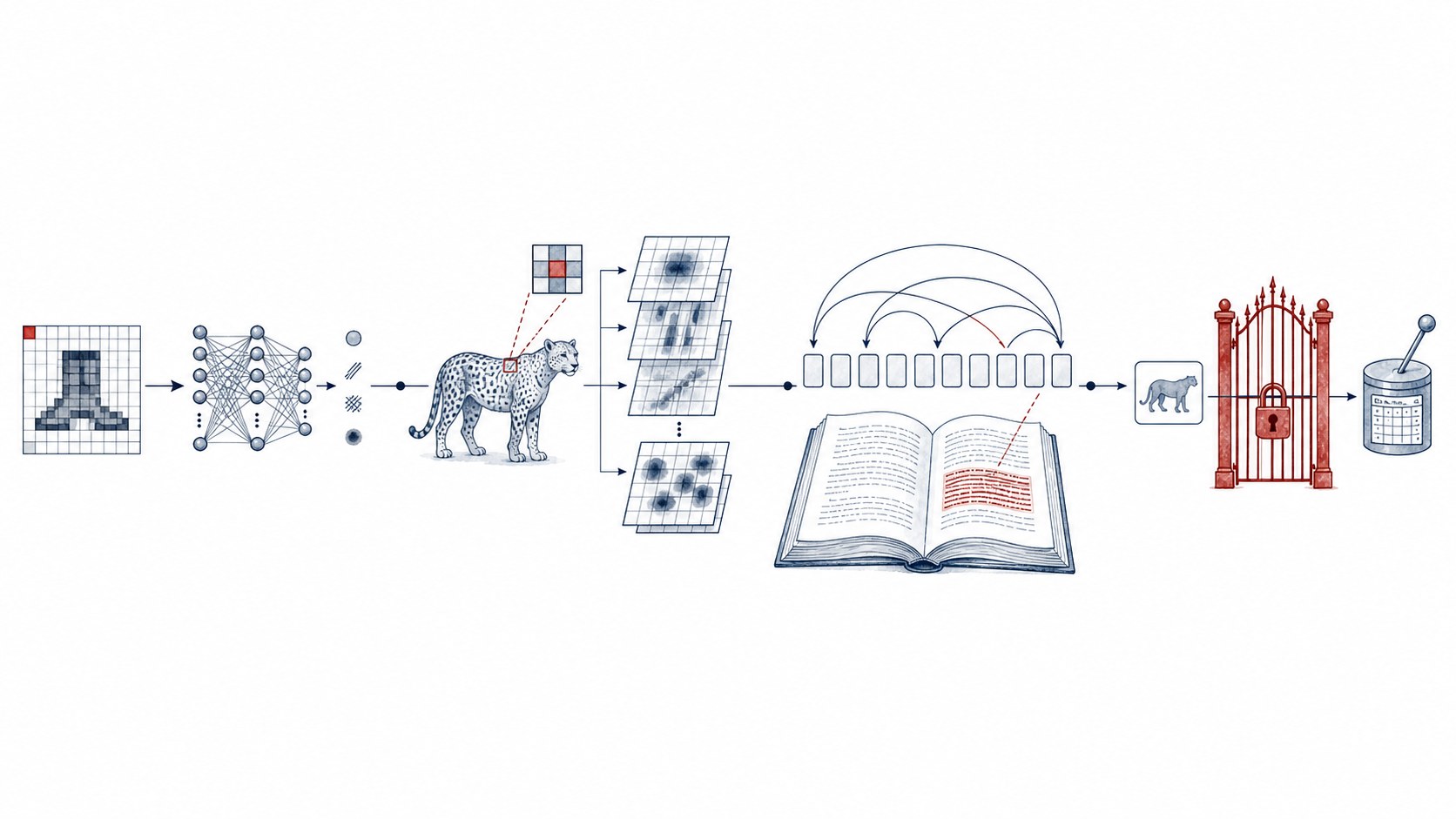
From a grid of pixels to an action that changes a record
Day 1 builds a network and runs one forward pass, ending at the loss. Day 2 turns that loss into a parameter update, then gives the network an image. Day 3 moves to text, where attention estimates which positions relate to which. Day 4 covers what has to happen before an answer is allowed to become an action.
Drawn for this course. No drawing carries a number; anything exact is set on the slide beside it.
The four days · one continuous line
The practicals
Day 1 · feedforward networks
Day 2 · convolution and transfer
Day 3 · attention and retrieval
Day 4 · APIs and agent workflows
Fashion-MNIST for Day 1, a small ants-and-bees collection for Day 2, a 20-document retrieval corpus for Day 3, and a 16-case agent suite for Day 4. Days 1–3 use one prepared activity; Day 4 contains four notebooks using APIs, evidence, and controlled agent workflows.
The drawings
Each drawing carries one mechanism or contrast and no numbers, so a picture cannot contradict the mathematics beside it. On the illustrations page each one is set out with the equation it belongs to.
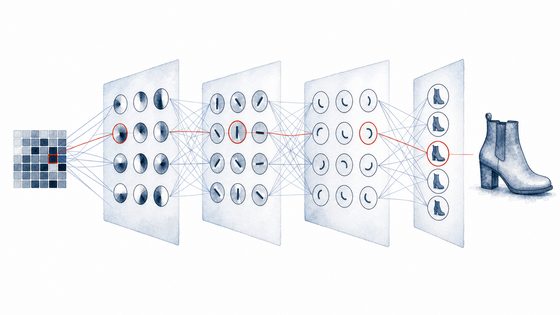 Day 1 · Part IIILearned representationsWhat the hidden layers are for.
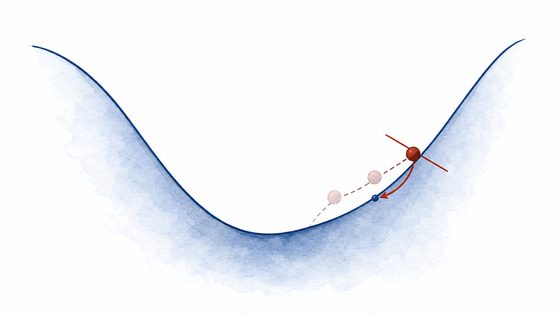 Day 2 · Part VGradient descentLocal information, one step at a time.
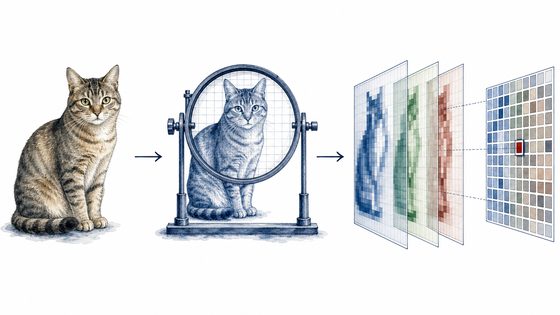 Day 2 · Part IFrom photograph to tensorHeight, width, and three colour channels.
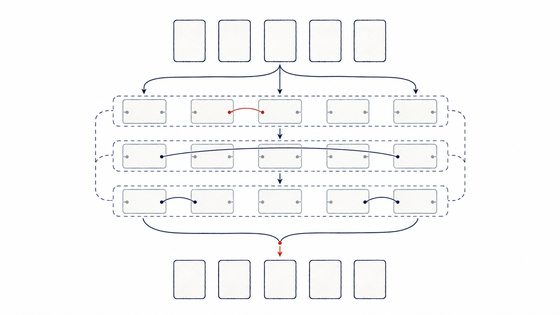 Day 3 · Part IIMulti-head attentionLearned relations instead of assumed ones.
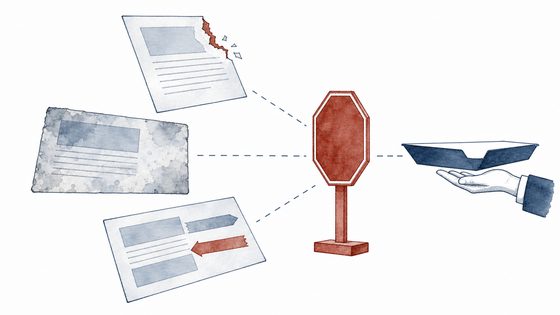 Day 3 · Part VIAbstentionCoverage and selective risk.
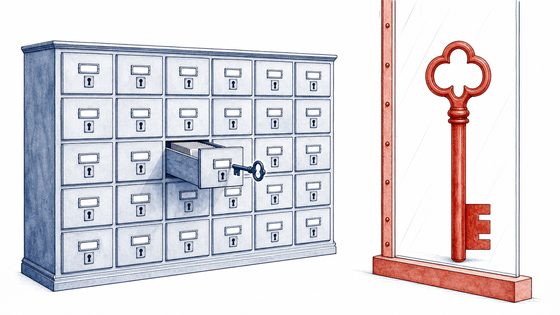 Day 4 · Part IVLeast privilegeAuthority sized to the task.
All twenty-one drawings, each with its equation and its limits, and the four-day panorama →
Course overview
Day 1 constructs one small network from a single unit, works a complete forward pass, derives the gradient of the loss with respect to the output scores rather than quoting it, and checks the resulting update by recomputing the loss. Day 2 counts what convolution saves against a dense layer on the same image. Day 3 computes attention on a three-token example and separates a fluent answer from a supported one. Day 4 covers the machinery between a proposed action and an executed one.
Each method is taught together with the failure it is known for: a held-out score read as a claim about one population, saliency maps treated as diagnostics rather than explanations, retrieval ranking a stale passage above an irrelevant one, and an agent request that is well formed and still refused.
Learning outcomes
By the end of the course you can:
- reconstruct a small feedforward network from the input tensor to a parameter update, naming every object, its shape, and the operation that produced it;
- explain why nonlinear hidden layers are necessary, and why a stack of affine layers is never more than one affine layer;
- read training and held-out curves, and separate a lower training loss from credible evidence of generalisation;
- explain what convolution assumes about an image, and count the parameters of a small convolutional network from its shapes;
- describe what attention computes, what next-token training optimises, and why neither has any relation to truth;
- say what retrieval fixes, what it does not, and when a system should abstain rather than answer;
- identify the point at which a system changes state rather than belief, and name the controls that belong there.
The four days
| Day | Topic |
|---|---|
| Monday | Inputs, units, depth, and the loss |
| Tuesday | Training, and seeing with convolution |
| Wednesday | Transformers, language models, and retrieval |
| Thursday | Agents, authority, and deployment |