Four-lecture course
Central Banking
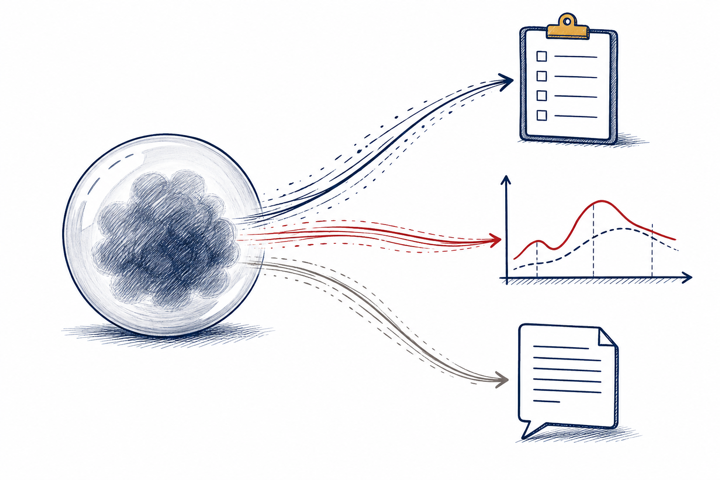
How words become policy: from communication and credibility to measured expectations, policy surprises, and public interpretation.
End of course · Results Your results are out Enter your exam ID to see your full examination report: your mark, topic by topic, and a downloadable PDF record. See my resultsOne connected story
From a signal to a defensible claim
Lecture 1 builds the transmission channel. Lecture 2 measures the hidden belief. Lecture 3 isolates target and path news. Lecture 4 follows the message through attention, interpretation, and disclosure.
Words → beliefs → news → reception


The four lectures
L1 · Words, credibility, institutions
When communication moves expectations—and why anchoring and accountability make it believable.
L2 · Measuring hidden expectations
Surveys, prices, and text reveal different traces, each with its own measurement wedge.
L3 · From decisions to policy news
Separate expected actions from target news, path news, and cross-border responses.
L4 · From publication to reception
Measure attention, interpretation, disclosure, and readability without confusing release with impact.
Illustrated mechanisms
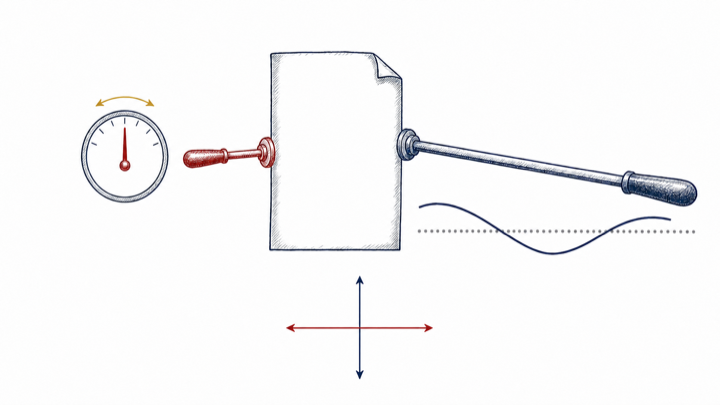
 L1Anchored expectationsA shock, a target, and a tethered path.
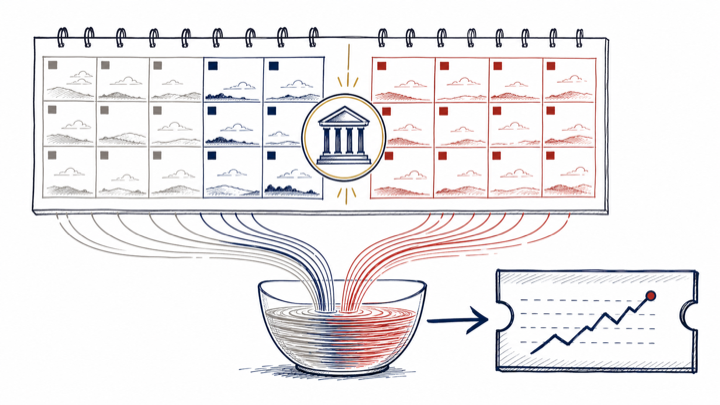 L2Calendar weightingA meeting rate inside a monthly average.
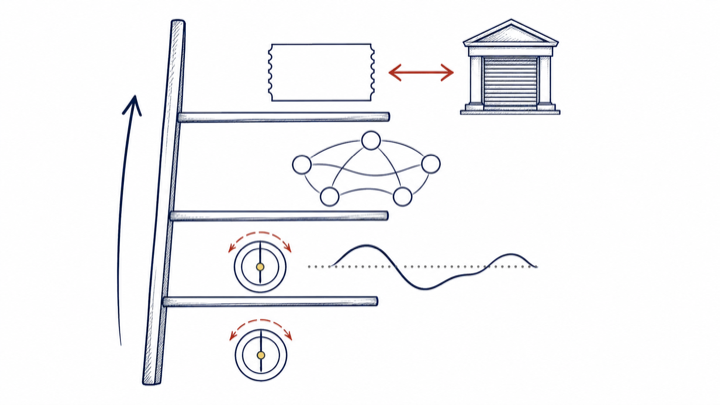 L3Estimand ladderRicher measures answer richer questions.
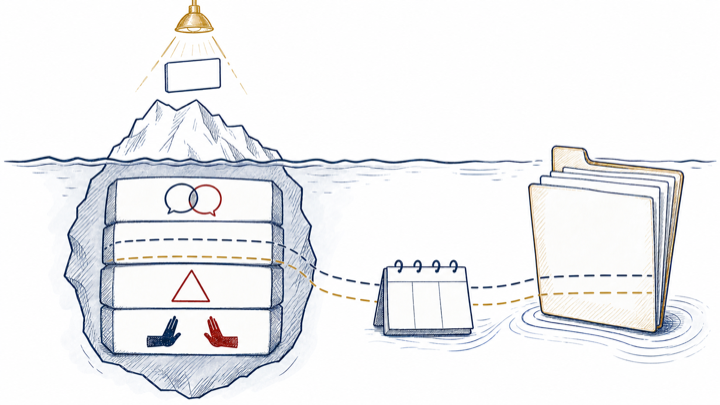 L4Disclosure icebergThe statement is only the visible layer.
Explore all twenty-five illustrations →